Manufacturing optimised stills since 2006
DESTILLIERMEISTER E10-55 Premium-Plus Model 2026- with everything you need
No more silicone seals required
You save around €60 with this bundle
A legal, high-capacity stainless-steel still, optimised for the distillation of essential oils from flowers and leaves
The DESTILLIERMEISTER E10-55 Premium-Plus Model 2026 is a completely new version of the E10-55 Premium-Plus24 model and replaces it. The distillation process remains the same, but the design has been completely overhauled, resulting in a significant reduction in set-up and distillation times. A ‘tripod’ is used to keep the cooling system separate from the boiler system.
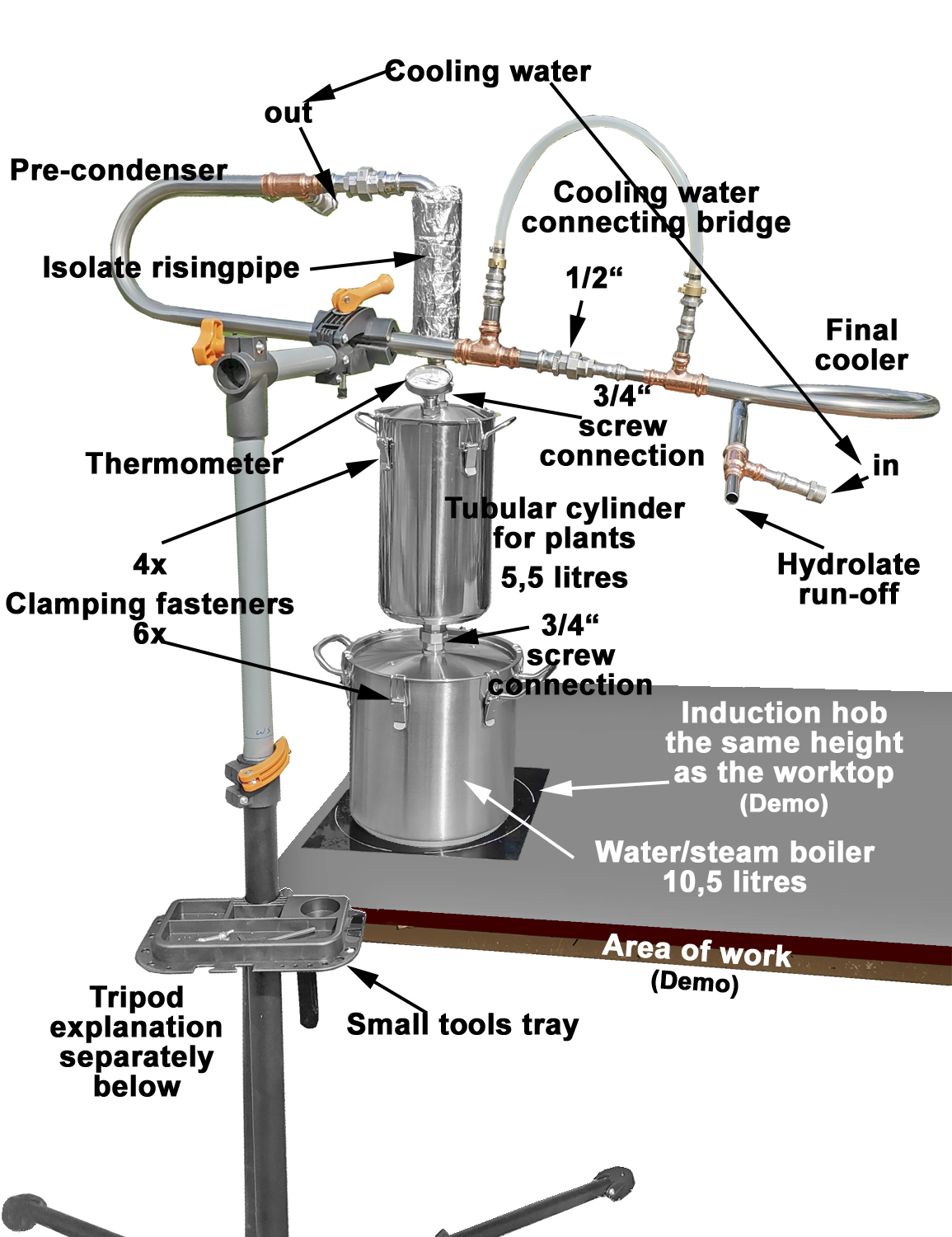
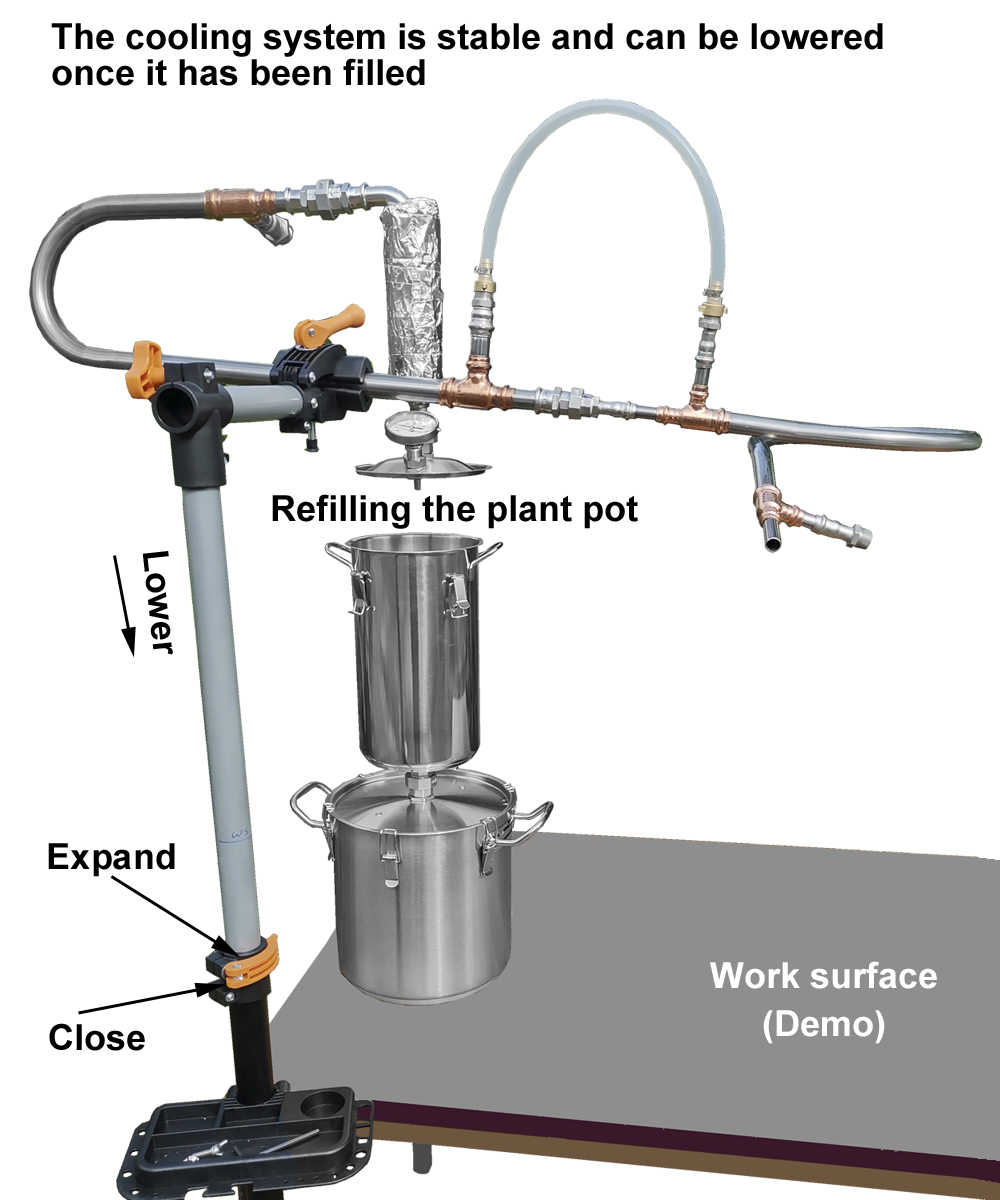
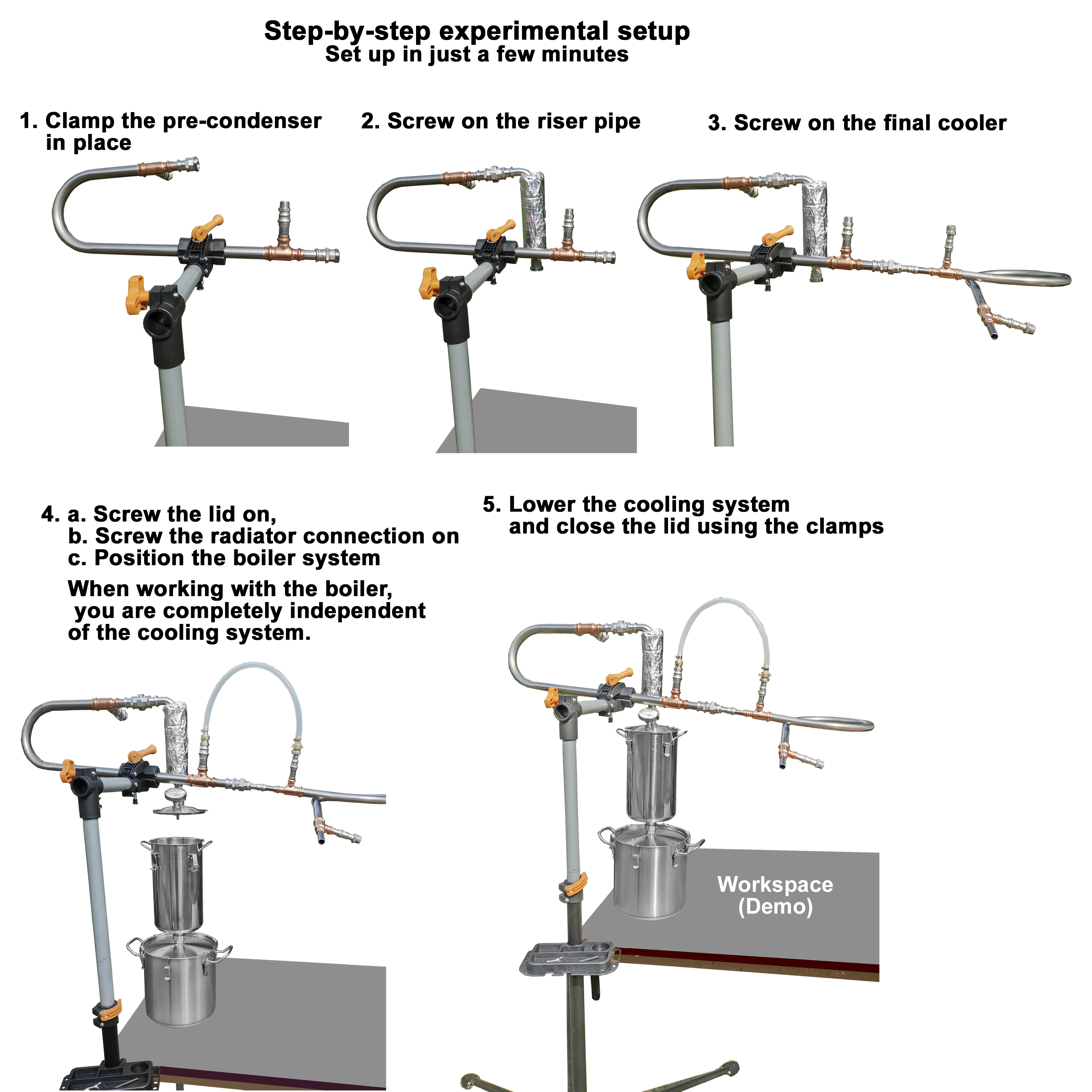
The DESTILLIERMEISTER E10-55 Premium-Plus Model 2026 has a 10.5-litre water/steam boiler. The water supply is generally sufficient for around 8 distillations. The plant tube is screwed onto the lid of the water boiler. To empty and refill the plant tube, it is best to open the clamping fasteners on the plant tube and lift the cooling system a few centimetres. You can now remove the boiler system. The procedure is illustrated below.
The cooling system operates using an effective counter-current process, as is familiar from the Liebig condenser. The concept behind the Premium model is the pre-condensation of the vapour in a pre-condenser, into which the vapour is fed directly behind the riser pipe without any reduction in the pipe cross-section and without any pressure loss. Consequently, the vapour does not have to flow against a pressure peak here, which would lead to oil losses. The temperature at the plants is also lower with the pre-condenser, which improves the quality of the essential oils.
To keep the system compact, both the pre-condenser and the final cooler are curved, unlike a Liebig condenser. This allows a total cooling length of a good 2 m to be achieved in a confined space, which is very convenient for operating with a low cooling water flow.
The rising tube and pre-condenser can be screwed together, making the system easier to handle and more versatile. A reduction in cross-section is only applied at the distillate inlet of the final cooler. However, this no longer results in a pressure loss, as the condensed vapour no longer occupies any significant volume.
The riser pipe on the Premium-Plus model is insulated to minimise condensate loss. Overall, the Premium-Plus model is therefore optimised for the extraction of essential oils and hydrolates. The cross-section is only reduced at the transition to the final cooler, but this no longer creates any flow resistance because the vapour has by this stage condensed.
Note: Pressure losses in the pipework system result in increased pressure within the plant tube; the vapour must therefore work against a pressure head. This damages the essential oils, reduces their quality and also lowers the yield if the oils cannot overcome this pressure head.
From previous trials with the DESTILLIERMEISTER E2-55 Premium, we know that the optimal ratio of plant tube height to plant tube diameter has a positive effect on efficiency. Due to the larger evaporation surface area of the water boiler, the distillation rate is significantly increased, which shortens the distillation time and reduces the duration for which the essential oils are exposed to a hot environment. This therefore also affects the quality of the distillates.
For the vast majority of plants and flowers, the water supply is sufficient for 7 to 8 distillations when 1 litre of distillate is collected per distillation. However, if collecting 1 litre of hydrolate per distillation is not sufficient – as we have found to be the case, for example, when distilling fennel seeds – the water supply is still sufficient for at least 2 distillations. This results in a significant time saving compared with the 2-litre steam boiler. The use of a large boiler for hydrolate extraction is also entirely legal in Germany. You must, however, declare a boiler with a capacity of over 2 litres to customs; you may then use it without restriction, including for private use.
The insulated riser pipe already reduces condensate losses. These losses can be further reduced by insulating the plant tube as well, e.g. with a blanket. This should then result in a higher oil yield.
With 5.5 litres of plant chamber capacity, you have ample space to process larger quantities of plant material or drugs. By raising the aroma basket, however, you can also experiment with smaller quantities; in this case, you should operate at a reduced heat setting to ensure the steam does not simply pass through the plant material without having any effect. As the steam is generated in a separate boiler beneath the herb chamber, there is no risk of coming into contact with boiling water. However, you should only fill the boiler with a maximum of 8.5 litres to allow the steam to build up inside the boiler and to prevent hot water from being drawn up in the event of delayed boiling.
Easy to use:
- In the new model, optimised clamping mechanisms mean that seals are no longer required between the 1st and 2nd stages, or between the 3rd and 4th stages. The sealing is achieved by metal-to-metal contact. Consequently, there are no longer any ongoing costs associated with this model.
- Fill the water/steam boiler with a maximum of 8.5 litres of water – either demineralised or distilled water, or tap water, provided that, after a few distillations, any limescale build-up is removed from the bottom of the boiler using lukewarm citric acid or heated acetic acid.
- Fit the lid with the 3/4" screw connection and secure it with the clamping fasteners.
- Place the aroma basket into the plant tube and open it out. Now fill the plant tube, press the contents down gently and connect it to the 3/4" screw connection.
- The cooling system is fitted into the tripod as described and documented below:
- Clamp the pre-condenser into the tripod as shown in the pictures below – ideally within the markings we have provided.
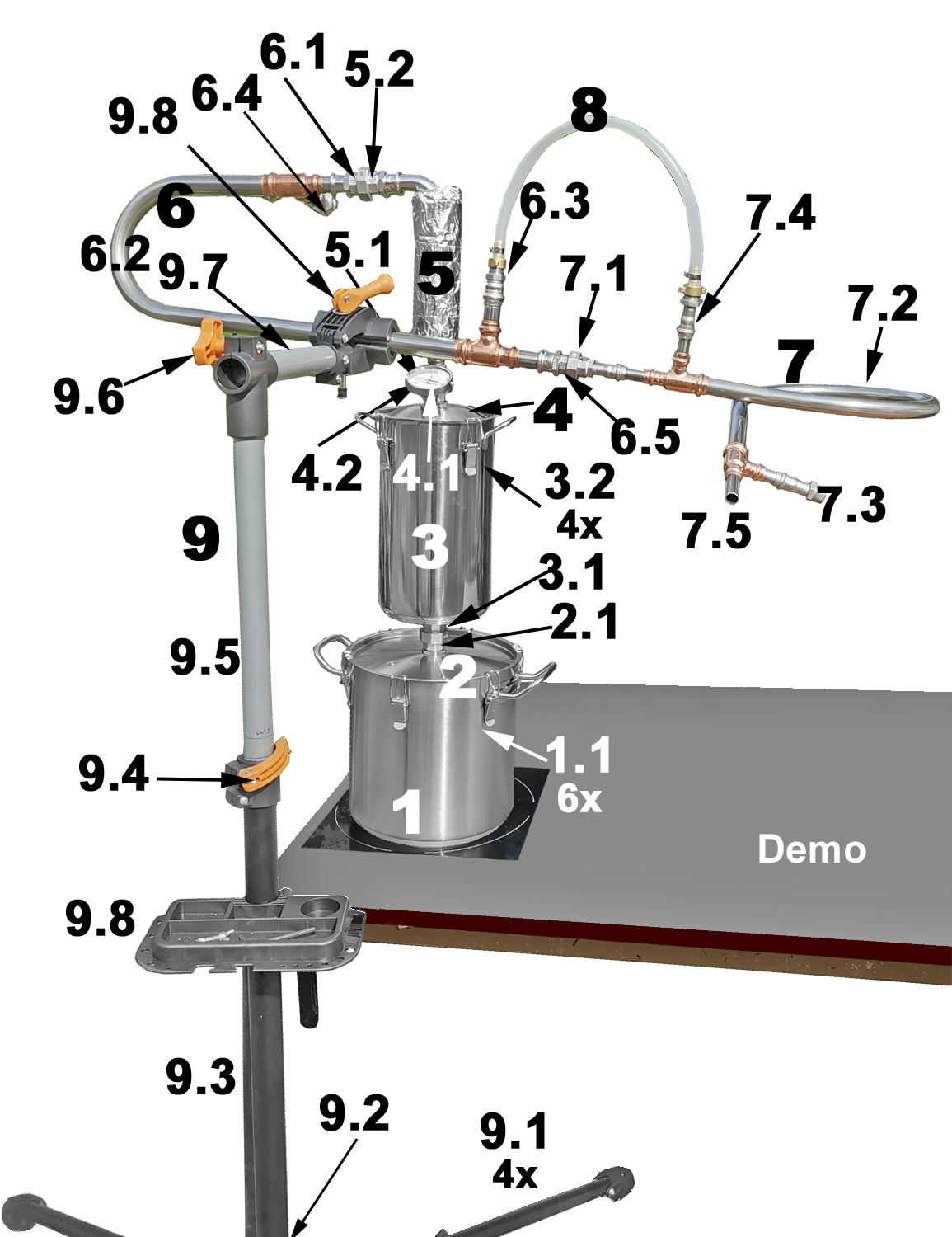
- Screw the insulated riser pipe with the 3/4" thread onto the pre-condenser at 6.1.
- Screw the plant tube cover at 5.1 onto the riser pipe.
- Screw the final cooler at 6.4 onto the pre-condenser.
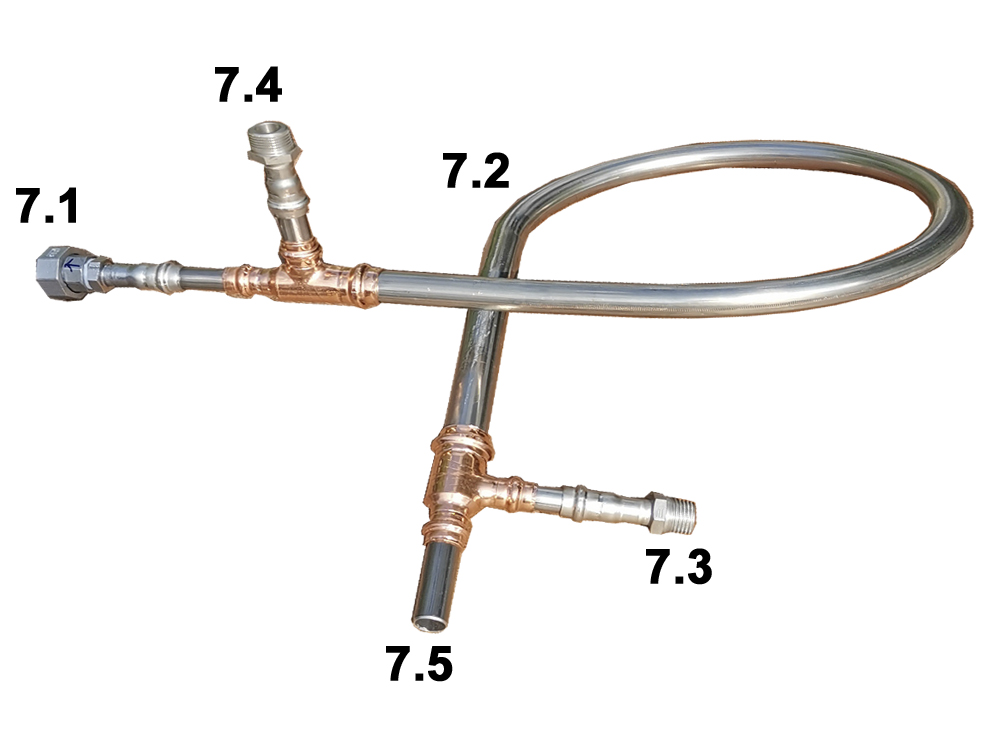
- The water supply enters at the end cooler at 7.3. The cooling water then flows upwards between the tube core and the tube jacket towards the pre-condenser. From 7.4 to 6.3 (pre-condenser cooling water inlet), the cooling water is routed via the supplied hose 8 through the cooling water channel between the pre-condenser core and the pre-condenser jacket. The outlet for the hot cooling water is at 6.4. Here, a hose must be connected using the 3/4" screw fitting. The cooling water therefore always flows in counter-current to the distillate flow, from bottom to top.
- Switch on the heat source and collect the hydrolate with oil at 7.5. The supplied distillate hose 11 has a female connector and is fitted onto the end at 7.5. The distillate hose should be shortened so that it just reaches into the collection vessel (receiver) being used. Under no circumstances should the hose be submerged in the distillate; it must be able to flow freely.
- With the plant tube fully loaded, distil for a maximum of 30 minutes at high power (induction hob from 2000 watts, preferably 3000 watts) for most plants. For small quantities of plant material and with the aroma basket raised, use 1200 to 1500 watts. It is best to collect two fractions of 500 ml each in a sterile bottle to begin with. If the pH value of the second fraction does not differ significantly from that of the first and is below 6, further fractions may be collected.
The water/steam container and the plant/herb tube, as well as all distillate-carrying pipes, are made of high-quality stainless steel.
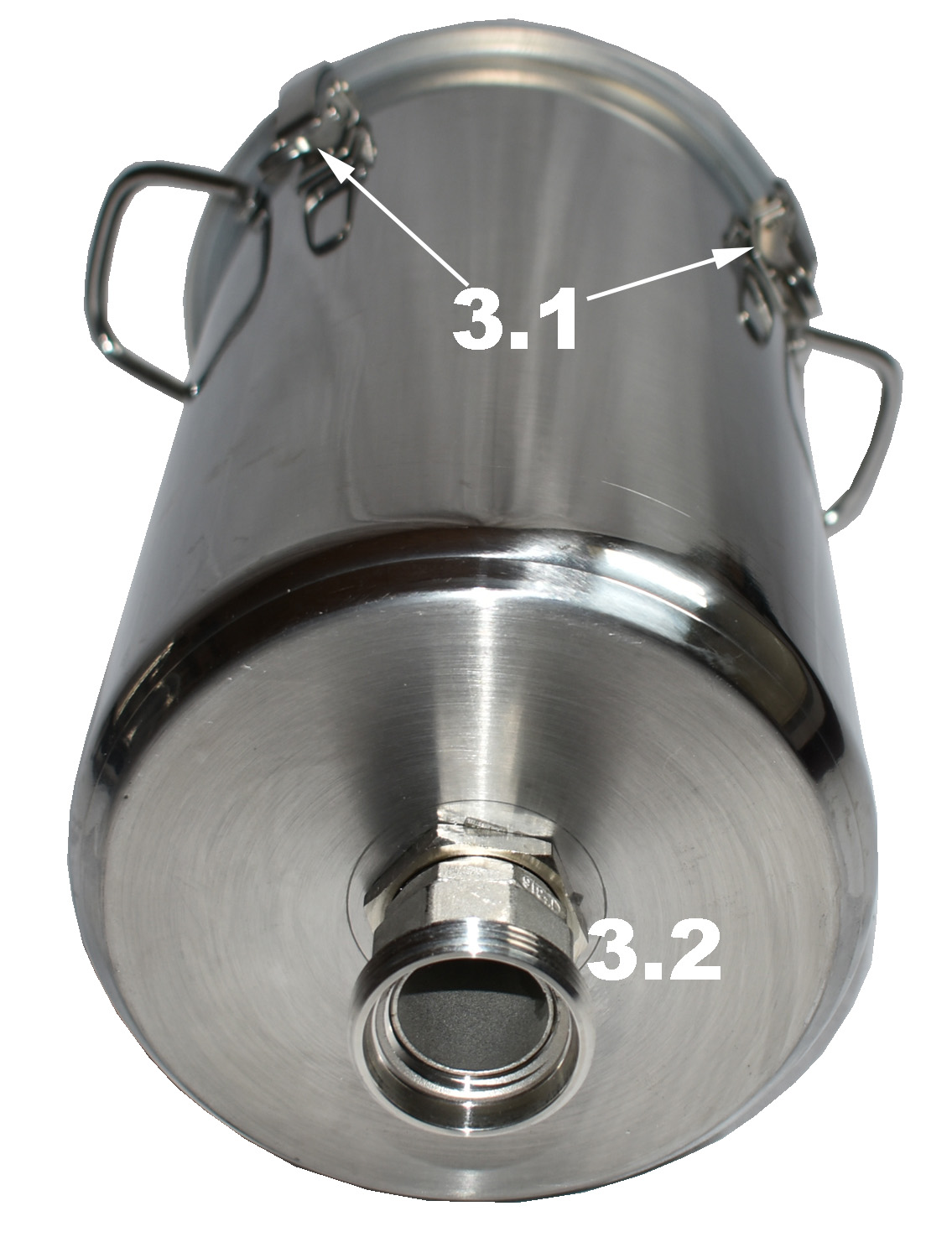
Constuction
- Water/steam boiler, 10.5 litres. Approximately 8 litres of water are added.
- 4 clamps.

- Lid for sealing the water tank,
- 3/4" screw connection for the plant pipe.

- Plant/herbal distillation flask, 5.5-litre capacity,
- 4 clamping fasteners.
- 3/4‘ nipple for the screw connection.
- Lid with screw connection for the 6-tube distillation column.
- 3/4’ screw connection
- Stainless steel analogue thermometer, accuracy class 1


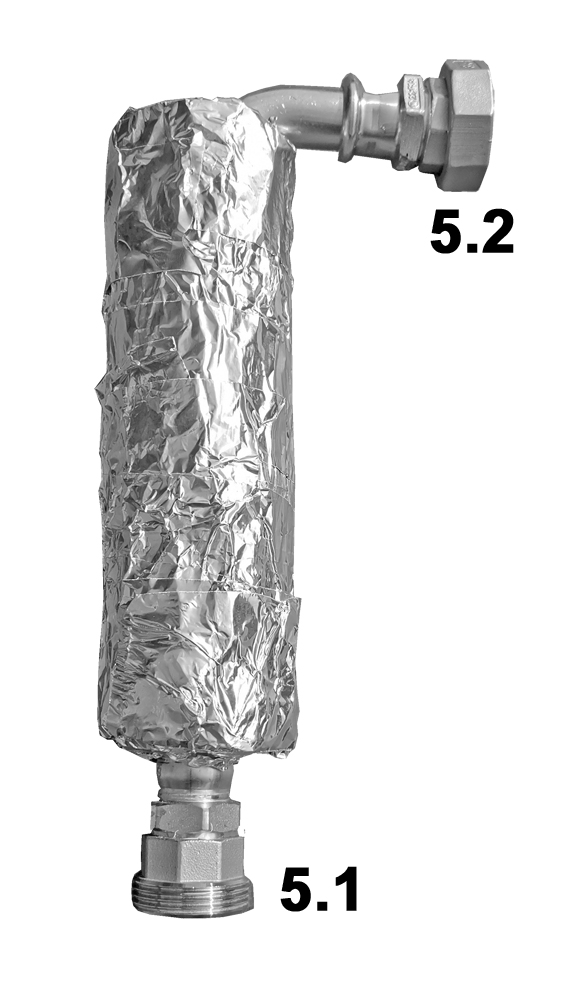
- Insulated riser pipe.
- 3/4‘ threaded nipple for connecting to 5.1.
- Riser pipe with insulation.
- 3/4’ threaded connection for the pre-condenser. The red marking on the threaded connection continues onto the threaded nipple 7.1, so that the correct direction of rotation for the pre-condenser is indicated during initial assembly.
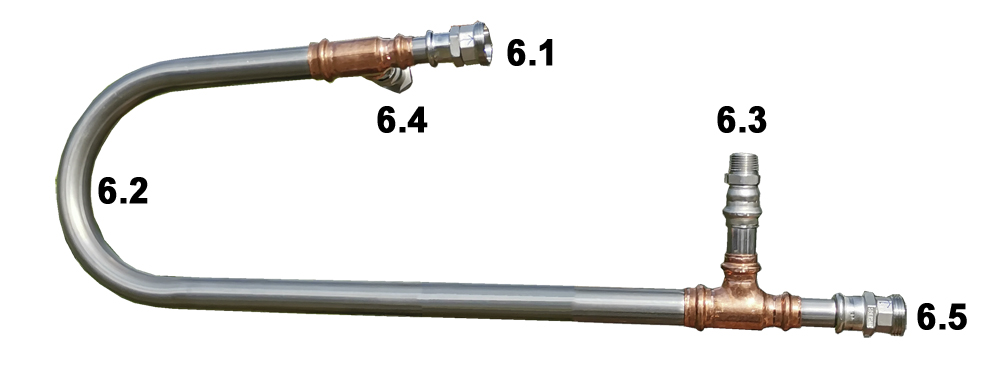
- Pre-condenser
- 3/4‘ threaded nipple for connection to 5.2
- Counter-flow double-pipe condenser (outer jacket, inner core)
- Cooling water inlet.
- Hot water outlet.
- 1/2’ screw connection for the final cooler.
- Final cooler
- 1/2‘ screw nipple for connection to 6.5,
- double-walled tube in counter-current configuration (outer jacket, inner core).
- Cooling water inlet – cold, 1/2’ nipple.
- Cooling water outlet; screw hose 8 onto this.
- Distillate outlet. Fit distillate hose 11 onto this.
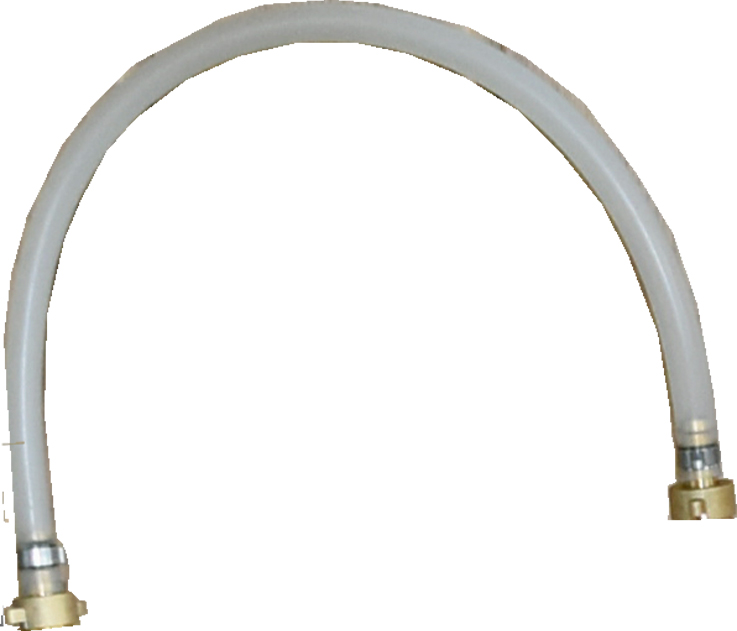
- Cooling water connecting hose for connection to 7.4 and 6.3.
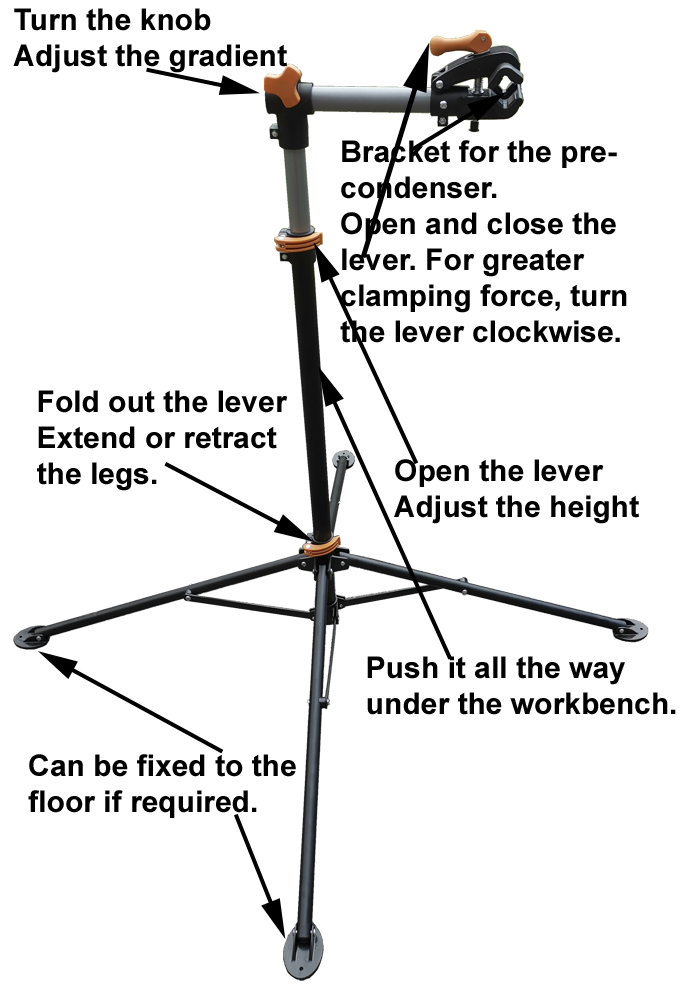
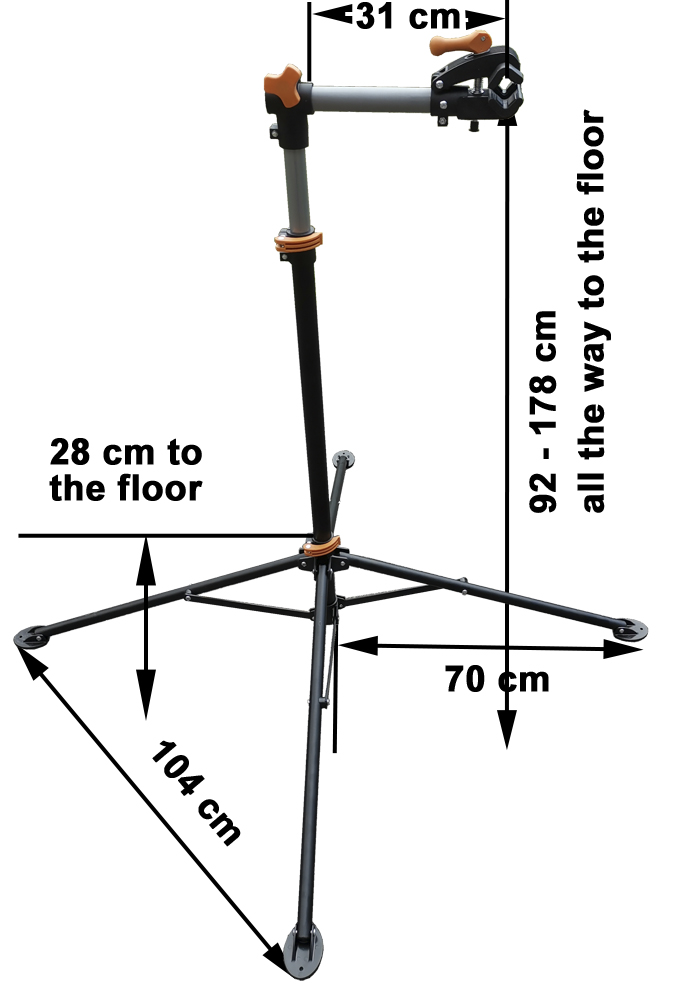
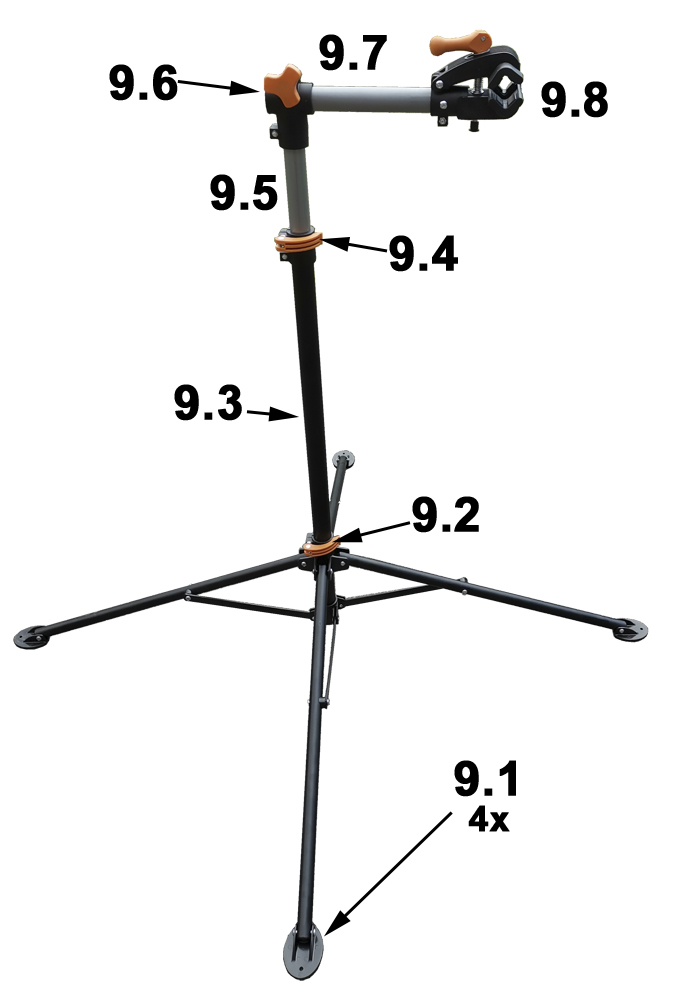
- Tripod for supporting and securing the distillation set-up. The levers can be tightened by turning them clockwise.
- 4 support legs,
- Folding lever for extending and retracting the support legs:
Unfold the lever,
extend the support legs,
fold the lever shut. - Socket for the tripod tube.
- Lever for adjusting the working height:
Open the lever,
manually raise or lower the tripod tube,
close the lever. - Tripod tube.
- Loosen the locking screw to adjust the angle of the pre-condenser bracket. Tighten it again.
The tubes must have a gradient in the direction of flow throughout. - Support arm for the cooling system.
- Support sleeve with locking knob.
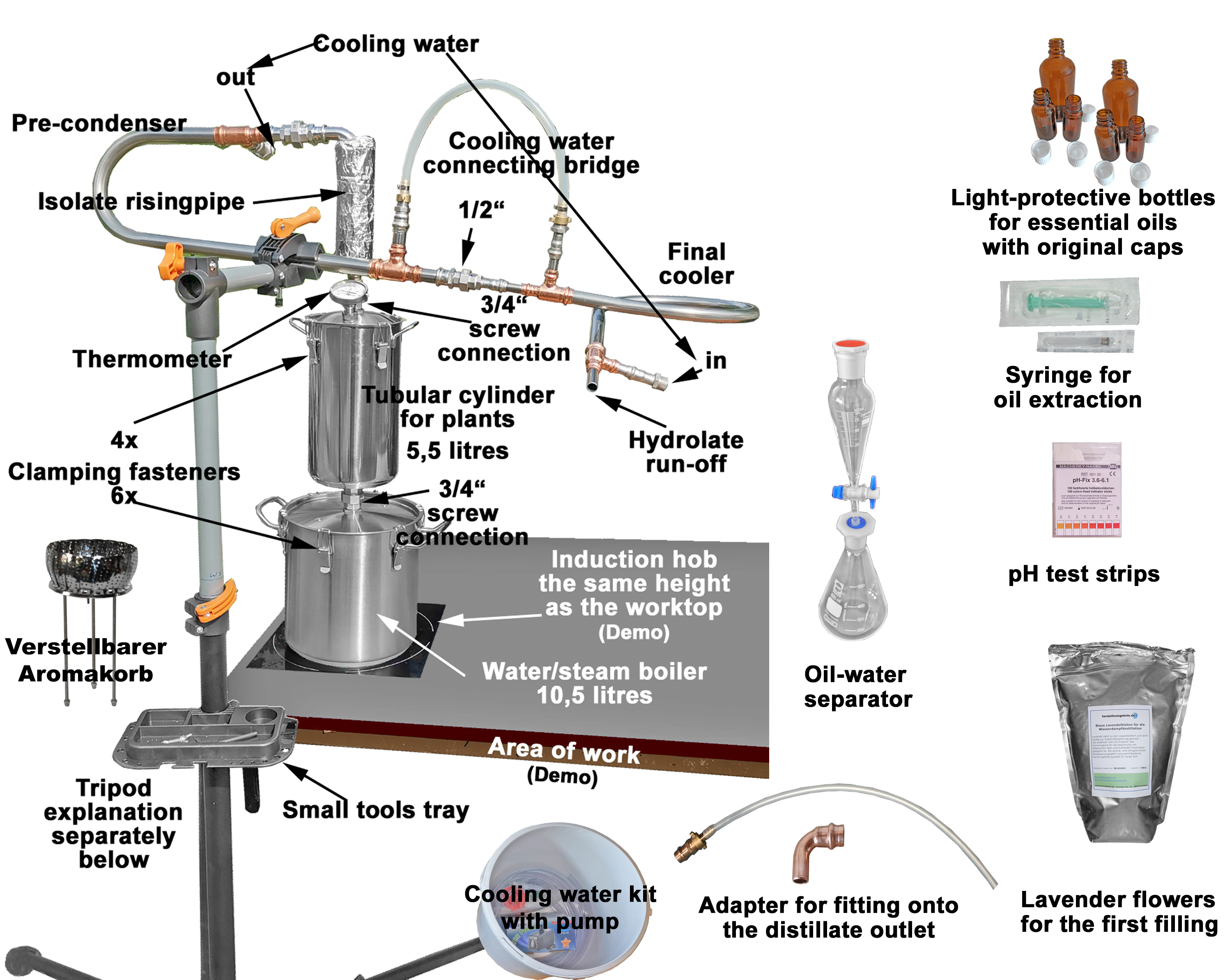
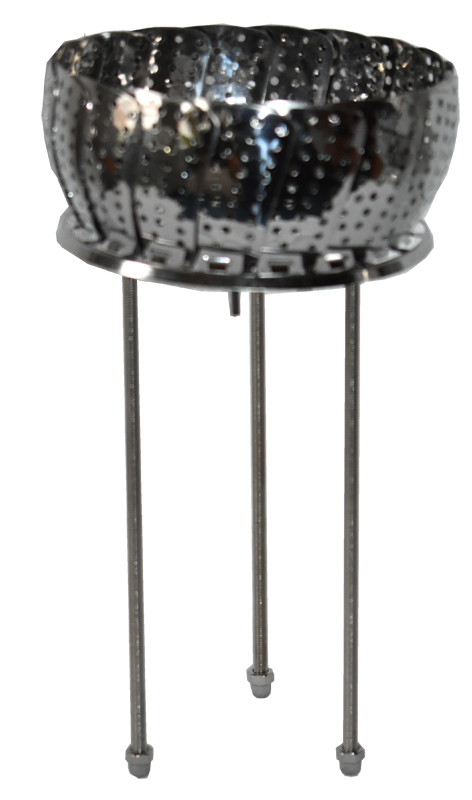
- Aroma basket for insertion into the steam pipe. This is positioned at a minimum distance of approximately 3 cm from the base and can be adjusted upwards for smaller quantities. It has a closed compartment in the centre, so that, when in the lower position, the rising steam jet does not flow directly through the plant material and create a tunnel due to the jet effect, which would result in significant losses. Due to the baffle, the steam initially flows radially and then rises due to its own thermal convection. The plant tube has a height-to-diameter ratio greater than 1, so that an effective chimney effect promotes the entrainment effect.
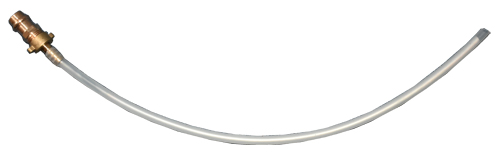
- Distillate hose to be fitted onto 7.5. If necessary, shorten this as described above. The hose can be unscrewed and a water hose with a 1/2" thread can be screwed on to clean the pipework systems.
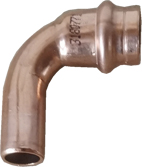
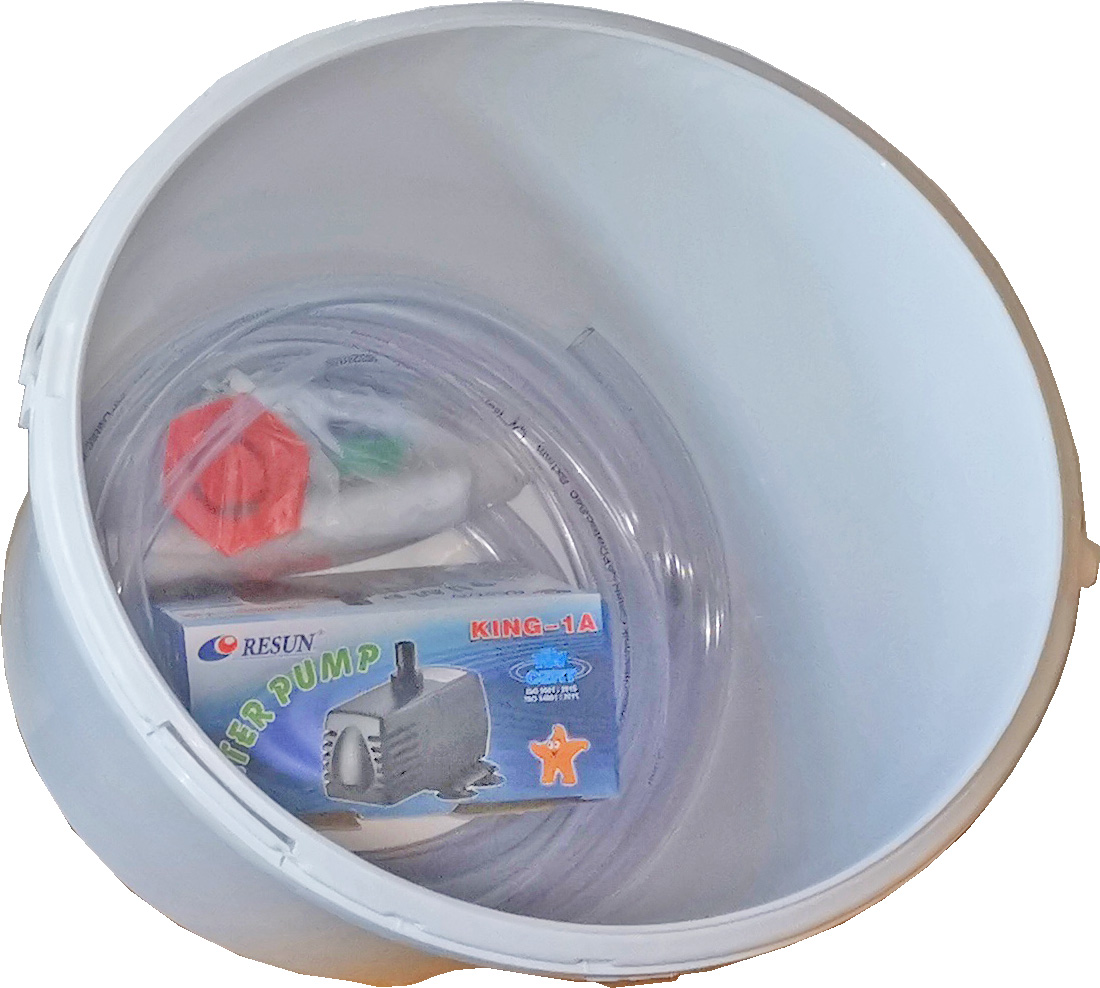
- Cooling water supply kit including the following accessories
- 20-litre plastic bucket to serve as a cooling water reservoir.
- High-performance 230-volt cooling water pump with fittings for various hose diameters, suitable for all our stainless steel stills up to approximately 20 litres.
- Various 2-metre PVC hoses, including 2 hoses with hose fittings for the distillate cooler, one of which is pre-fitted for connection to the pump. In addition, 3 hoses of different thicknesses for various applications, e.g. hose extensions or decanting hydrolates, etc.
- Plastic tap for regulating cooling water, suitable for the counter-current cooler.
- Graduated 100 ml measuring cylinder with base, for taking distillate samples, e.g. to measure the pH value.
- Cleaning brush.
- Floating thermometer for monitoring the cooling water, in case the hot waste water is allowed to flow back into the bucket. From 40°C onwards, the water should either be cooled with ice or replaced.
- A roll of Teflon tape for sealing, e.g. in case a seal fails during distillation.
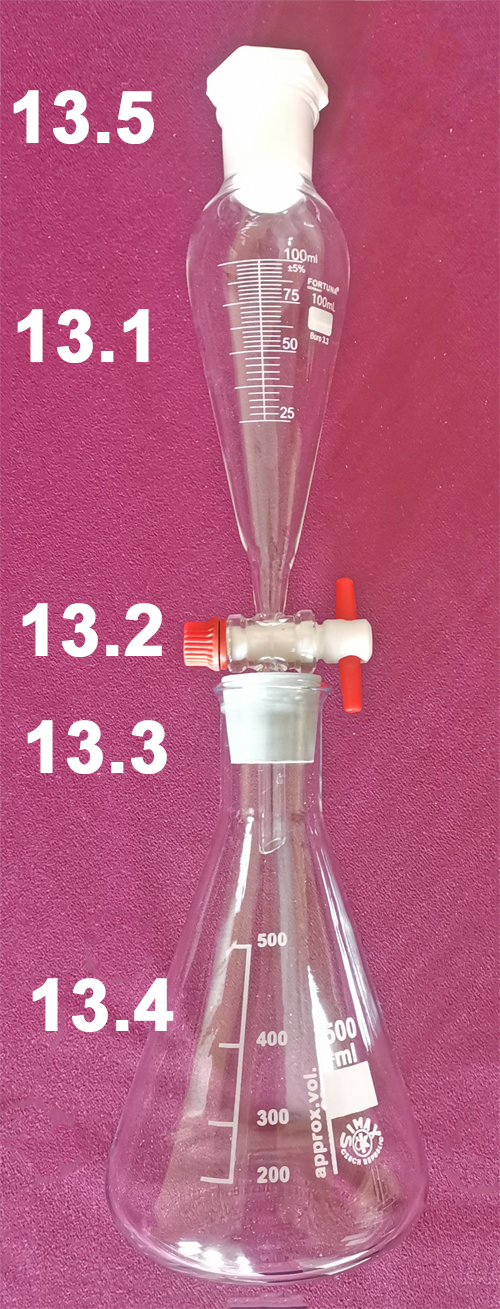
- Oil separation apparatus, consisting of the following components
- The separation funnel. This initially collects the hydrolate.
- PTFE stopcock. In the picture, this is set to maximum flow. When rotated by 90°, it closes completely. It is closed at the start of distillation. Once approximately 60 to 70 ml has been collected, open it slowly and allow the hydrolate to drain off. Ideally, the hydrolate should flow into the collecting flask at the same rate as it flows into the separation funnel. The oil collects on the surface of the hydrolate in the separation funnel.
- Stopper for the collecting flask with a passage. In the newly supplied kits, this stopper is replaced by a rubber stopper, as this is more stable. Pressure equalisation must be achieved here so that the hydrolate can flow out without bubbles. To do this, a notch is carved from top to bottom into the rim of the stopper. This is sufficient for pressure equalisation.

- Collector flask (Erlenmeyer flask). You should definitely distil 500 ml; the water-insoluble essential oil has now been almost completely distilled off. If you wish to continue collecting the hydrolate, you should switch off the heat source briefly, decant the hydrolate or place a new flask underneath. Don’t forget to close the 9.2 tap whilst doing this.
- Stopper for the separating funnel. This is not required during distillation.
- pH test strips, pH range 3.6 to 6.1, 100 pieces. A hydrolate with a pH below 4 is of very high quality. Once the pH reaches 6 or above, you should decide whether to stop the distillation. The hydrolate still smells good at this stage, but it no longer keeps as well.
- A 2 ml syringe and cannula for working with essential oils.
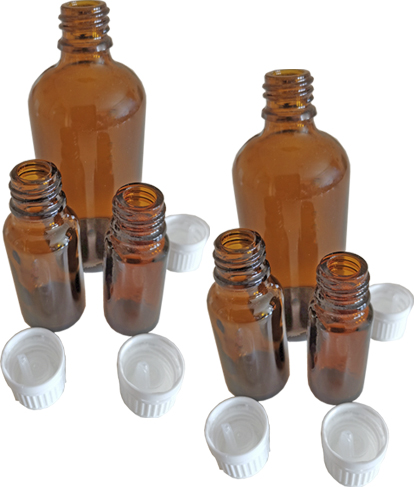
- Amber glass set, sealable with original caps, including droppers, for storing the extracted essential oil.
- 2 x 10 ml vials,
- 2 x 20 ml vials,
- 2 x 50 ml vials,
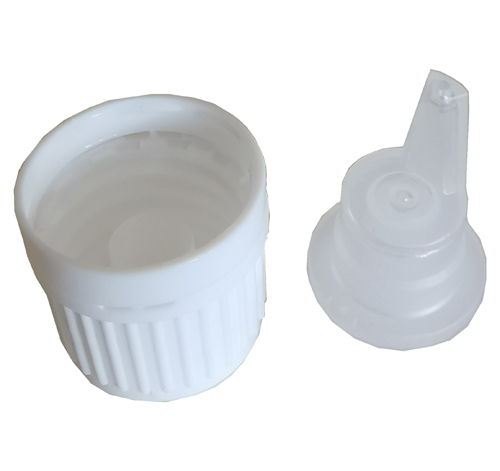
- 6 x original caps with removable dropper inserts. The original caps are ideal for closing and sealing gift or retail vials.
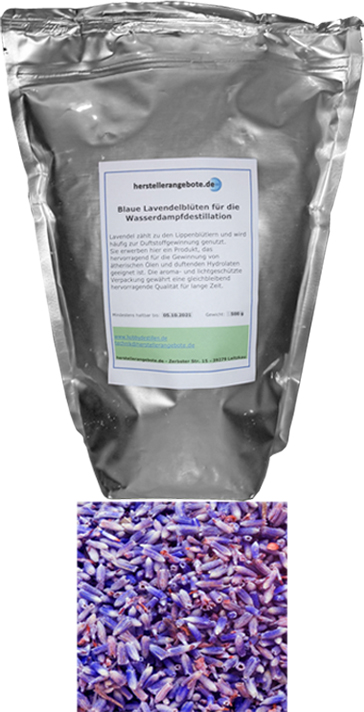
- 500 g of blue lavender flowers, distiller’s grade, in a bag that protects against light and preserves the aroma.
Important note:
Under the new German Alcohol Tax Act, which came into force on 1 January 2018, this still may also be legally sold in Germany, subject to registration with the relevant authorities. Please note that, as a retailer, we are obliged to point out that this still may only be used for the distillation of distilled water, hydrolates, essential oils, flavourings, fragrances, perfumes, foodstuffs, for alchemical experiments, etc., or as a collector’s item. If you distil alcohol privately and are caught doing so, you may face a fine and the confiscation of the distillation equipment. For commercial use, this unit is also ideal for producing spirits from primary spirit.
GPSR notes and manufacturer’s specifications
This product was added to our catalog on Wednesday 29 July, 2026.

